
What Makes Something Vintage vs. Antique?
December 15, 2025
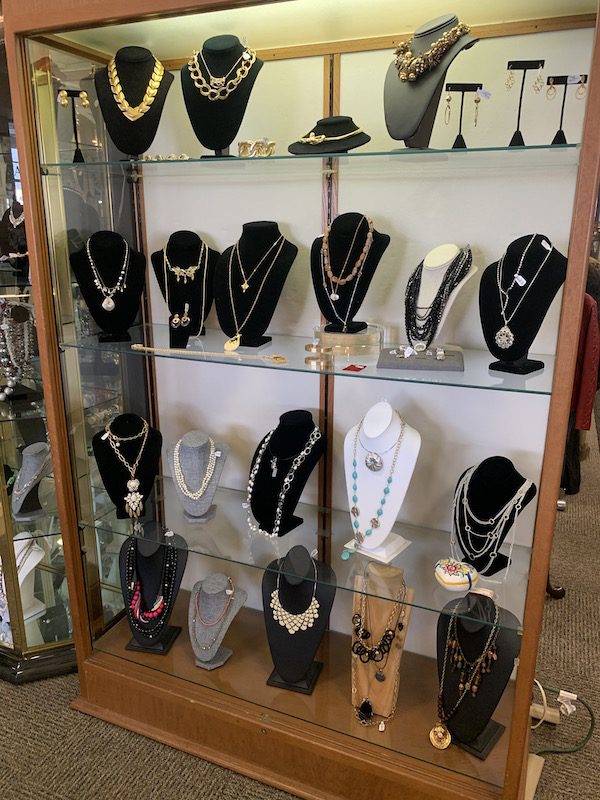
Chances are, when browsing a local resale shop or scrolling through online listings, you’ll see the terms vintage and antique used interchangeably. Yet collectors, decorators, and appraisers know there’s a meaningful difference between the two. Understanding that difference helps you identify quality, gauge value, and appreciate the stories behind each piece. From heirloom jewelry to mid-century furniture, knowing what defines an item’s era can make your shopping experience far more rewarding—especially in a city like Cincinnati, where history and design run deep.
The Age Factor: The Most Common Distinction
Age is the usual way to distinguish antiques from vintage items. An antique is typically at least 100 years old, while a vintage item can be 20-99 years old—but age alone doesn’t necessarily mean an item is more desirable or valuable. Some pieces might be over 100 years old but lack the craftsmanship or design features associated with reputable antiques. Or objects can be so iconic of their era that they are prized as vintage collectibles even though they aren’t especially old. The takeaway: antiques tend to reflect history, while vintage reflects style.
Materials and Craftsmanship
Antiques often represent a period when things were made by hand or produced with greater care and heavier materials—think solid wood furniture, detailed jewelry, and hand-cut crystal. These items carry signs of human touch, such as dovetail joints in drawers or slight variations in hand-blown glass. Vintage items, on the other hand, emerged during the rise of industrial design and mass production. Pieces from the 1950s through 1980s often feature new materials like chrome, molded plastic, or laminate, combined with bold colors and sleek lines. The craftsmanship may be simpler, but the style is unmistakable—distinctive of its time and full of personality.
Cultural and Historical Context
Beyond age and construction, antiques and vintage pieces also tell different cultural stories. Antiques give us a window into bygone craftsmanship—Victorian jewelry, Edwardian silver, or early American oak furniture. They reflect the customs, social structures, and artistry of their century. Vintage pieces, on the other hand, tend to evoke nostalgia. A rotary phone, a 1970s record player, or a mid-century lamp brings back the optimism of post-war design and the playful experimentation that defined modern aesthetics. They appeal to people who love the charm of “old but familiar” rather than “ancient and rare.” This emotional connection is one reason when looking for vintage jewelry stores in Cincinnati, shoppers are drawn to places like Legacies Upscale Resale—where they can find beautifully preserved pieces that carry both quality and character.
Value and Collectability
Both vintage and antique items can be valuable, but for different reasons. Antiques are prized for rarity, historical significance, and condition. Their value often appreciates over time, especially when provenance (proof of history) is known. Vintage items, while sometimes less expensive, are hugely popular with decorators and younger buyers who want unique items that still work in a modern home. A mid-century coffee table, for example, may not be as old as an antique dresser—but it can still fetch a high price thanks to its style and demand. Condition matters in both cases: carefully preserved or restored items tend to sell faster and hold their value.
How to Tell the Difference When You Shop
- Ask about age or provenance. Dealers and consignment stores often know when and where a piece was made.
- Look at construction. Hand-crafted joints, natural wear patterns, and irregular details often point to antique origins.
- Check design cues. Sleek, geometric lines or bright 20th-century colors usually signal vintage styling.
- Evaluate materials. Solid wood, brass, and crystal are more common in antiques, while vinyl, chrome, and Formica mark mid-century pieces.
- Trust your instincts. Sometimes the appeal is emotional—if it speaks to you and fits your space, it doesn’t have to be ancient to be special.
Why the Definitions Overlap
Not every item fits neatly into one category. A 1925 typewriter might be called “antique” by some and “vintage” by others. The terms overlap especially during transitional decades—think of early Art Deco furniture or pre-war jewelry. What really matters is quality, authenticity, and design. In resale and consignment, “vintage” is often a broader umbrella for anything older than a few decades but not quite museum-level. While labels help with pricing and marketing, your personal enjoyment is the true measure of a piece’s value.
Authenticity
It’s natural to question the authenticity of an item when treasure hunting. Is it real silver, a genuine antique, or a clever replica? Some people may not mind whether an item is genuinely vintage or antique if they appreciate the design. Still, it’s best to know what you’re paying for. If your dealer or reseller can’t verify authenticity or provenance, you may wish to contact an outside expert or appraiser, or simply do your own research. Inspect the craftsmanship: small irregularities are a good indicator that something is hand-made, and materials should match the claimed era. Look for signs of natural fading, patina, or small scratches (some items are artificially distressed, so this can be tricky). You can also look for stamps or labels that make verifying authenticity easier. Remember: if something looks suspiciously perfect or the price is too good to be true, it’s worth a second look.
Where to Find Vintage and Antique Treasures in Cincinnati
Cincinnati is full of hidden gems for treasure hunters! Antique lovers can explore tried-and-true dealers, estate shops, and auction houses across the region. Those more interested in retro finds can explore the best shops in Cincinnati for vintage furniture, jewelry, and décor—including Legacies Upscale Resale in Hyde Park Plaza. Legacies is special because every purchase supports the Cancer Support Community of Greater Cincinnati and Northern Kentucky. That means your next find directly helps fund programs that benefit local families.
Why It Matters When You Shop
Whether you’re drawn to the timeless beauty of antiques or the nostalgic charm of vintage, both represent a connection to craftsmanship, culture, and memory. Understanding the difference helps you shop smarter and more meaningfully. The next time you’re browsing Cincinnati’s consignment and resale scene, take your time—you might just find a piece that speaks to you and becomes part of your own history.