
The History Behind Mid-Century Modern Design
Published: March 1, 2026
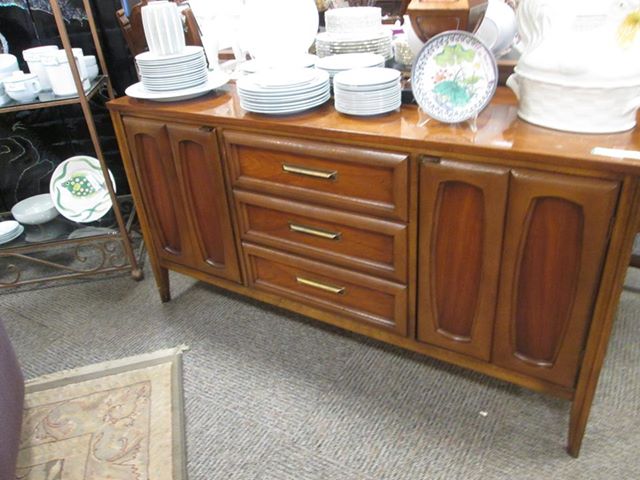
Few design styles have stood the test of time quite like mid-century modern. With its clean lines, organic curves, and balance of form and function, it remains one of the most recognizable aesthetics in furniture and interior design. Though its roots stretch back 80 years, the style still feels fresh—modern yet nostalgic, simple yet sophisticated. It’s a look that has endured because it embodies optimism and timelessness that never go out of fashion.
At Legacies Upscale Resale, mid-century modern pieces are among the most sought-after finds. Each chair, lamp, and sideboard tells the story of a design revolution that changed how we live, work, and interact with our spaces.
Origins of Mid-Century Modern
The style emerged in the mid-20th century, after the Second World War. It grew out of the Bauhaus movement and Scandinavian design principles, which emphasized function, simplicity, and natural materials—and borrowed minimalistic Japanese aesthetics. After the war, manufacturing advances made furniture production more efficient, and materials like molded plywood, fiberglass, and steel became more accessible. Designers created furniture to appeal to a growing middle class—furniture that was affordable, beautiful, and highly functional, with a sense of calm still beloved today.
American architects and designers such as Charles and Ray Eames, Eero Saarinen, Florence Knoll, and George Nelson became the faces of this movement. Their work introduced a modern sensibility to everyday living—open spaces, lighter forms, and multiuse furniture that fit both small apartments and family homes.
Design Principles That Shaped a Generation
At the heart of mid-century modern design is a celebration of simplicity and honest materials. It focuses on the beauty of wood grain, organic fabric textures, and balance. The furniture feels airy and open—both in its appearance and its feel. Function was never sacrificed for form; instead, the two were blended.
Color also played a defining role. While early designs leaned toward neutral palettes, the 1950s brought vibrant hues—mustard yellow, turquoise, and coral—that reflected the optimism of postwar life. This cheerful, forward-thinking aesthetic helped mid-century modern design become synonymous with progress and innovation.
Mid-Century Modern in American Homes
The suburban boom of the 1950s and ’60s created a perfect environment for mid-century modern design to flourish. Homes became more open and casual, with layouts centered around family life and entertaining. The furniture complemented this shift—comfortable yet refined, timeless yet approachable.
Manufacturers like Herman Miller and Knoll made designer furniture accessible to the public, while television shows and magazines displayed these modern interiors as symbols of sophistication. Even today, these silhouettes—tapered legs, low profiles, and geometric shapes—are still seen in many contemporary homes.
Why the Style Endures
What makes mid-century modern so enduring is its versatility. Its simplicity and balance work beautifully alongside both traditional and contemporary décor, even when styles change. For modern homeowners, the appeal lies in its authenticity: solid craftsmanship, good materials, and form that is both artistic and functional.
It’s no surprise that those browsing furniture consignment shops in Cincinnati often seek out these iconic pieces. Their enduring attraction makes them a smart investment for any home. At Legacies, mid-century modern furniture frequently finds new life in modern spaces, proving that good design truly never expires.
Caring for Mid-Century Modern Pieces
Owning mid-century furniture is like holding a piece of design history. Whether it’s a streamlined teak credenza, an Eames-style lounge chair, or a minimalist floor lamp, these items deserve thoughtful care. Use gentle cleaners and natural oils to maintain finishes and moisturize leathers, and avoid harsh sunlight, which can fade wood and fabric. When restoring, choose methods that preserve the original character rather than alter it.
Part of the beauty of buying secondhand is discovering these treasures already infused with decades of character. Scratches or patinas can add to the charm, not detract from it. And since many of these pieces were built with durability in mind, they continue to function as beautifully today as they did 60 years ago, or more.
The Legacy of Mid-Century Modern Today
Walk into any furniture showroom or open any design magazine, and you’ll see mid-century influence everywhere. Its principles continue to inspire today’s designers—from the open, uncluttered layouts to the fusion of technology and form. Its influence reminds us that beauty and function can coexist effortlessly.
At Legacies Upscale Resale, that philosophy comes to life in every well-crafted piece on display. Each item represents a sustainable way to honor design history while supporting the local community. Whether you’re furnishing your first apartment or refreshing a beloved home, mid-century modern design offers something far more lasting than a passing trend—it offers a way of living with purpose, simplicity, and timeless grace.